1.5 Drivers for Effective Actions: Standards, Learning and Principles
3. Driver 2: Taking Diversity in the Learning Context
3.1. The Principles of UDL
In accordance with CAST’s (2018b) definition of the approach, three general principles guide the implementation of UDL:

Providing Multiple Means of Engagement
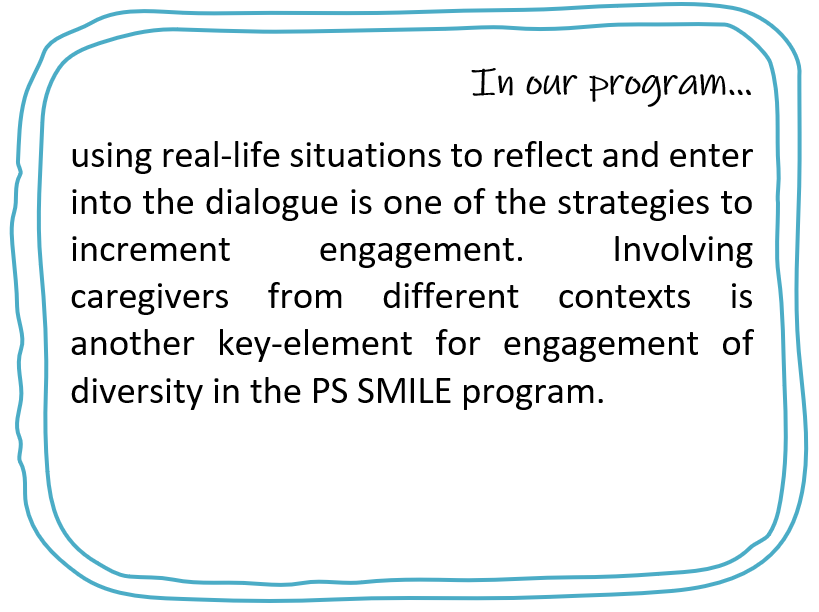
Because learners differ markedly in the ways in which they can be engaged or motivated to learn, it is necessary to provide multiple options for engagement; some students might be attracted to novelty, while others might prefer a predictable routine and structure. Ensuring multiple means of engagement will neurologically activate affective networks that may enhance the outcome of the learning experience.

Providing
Multiple Means of Representation
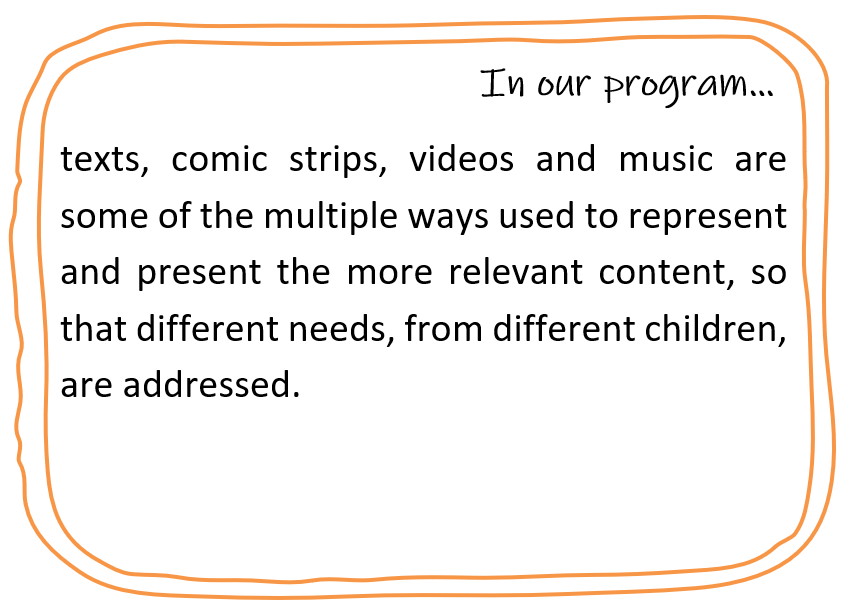
Students may diverge in the ways they perceive and comprehend the information that is presented; some learners may have with sensory disabilities or preferences (e.g., blindness or deafness), others may present learning disabilities (e.g., dyslexia), language or cultural differences. No type of representation is optimal for a particular kind of content and there is no ideal means of representation that suits all the students or all types of learning. It is essential to provide options for the representation of content, as this will neurologically activate recognition networks that will take the learning experience further

Providing Multiple Means of Action Expression
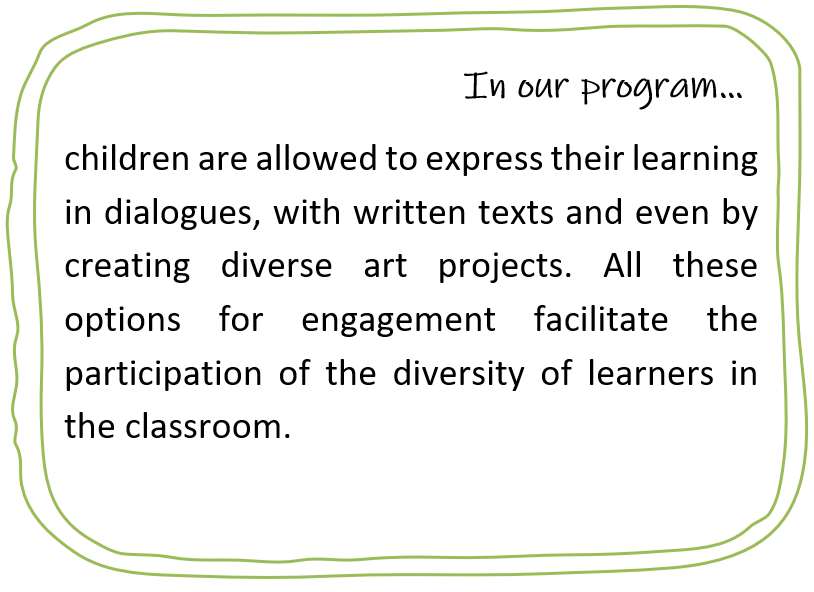
Most likely, different students in the classroom will differ in the ways they can navigate a learning environment and experience and express what they know. For example, some individuals may struggle with expressing themselves by speaking (e.g., someone with a motor speech problem), while others may have difficulty with written expression (e.g., a person with a language disorder). There is not a means of expression that will be optimal for all the learners. Providing diverse options for action and expression is essential and will activate neurological strategic networks with positive impact on learning.
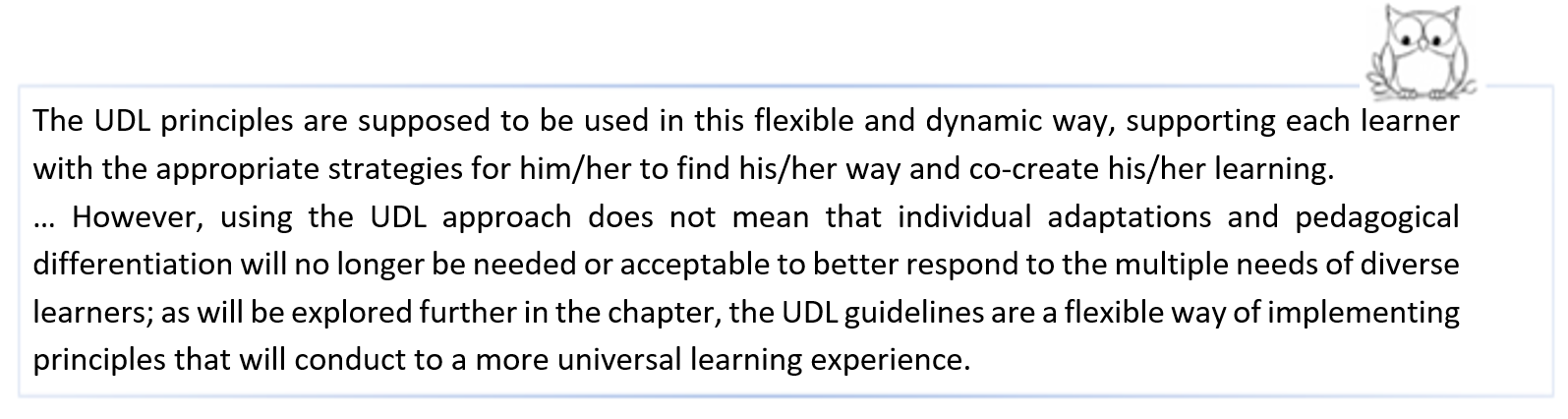
When reflecting about the three principles of the UDL approach, it may be interesting to think of those as a GPS (meaning, the car’s Global Positioning System) that supports the educator in understanding where the learner is and how to flexibly conduct him/her towards the intended destination. Rose and Gravel (2010) use this analogy and compare the learning process to a trip; at the end of the trip, the GPS narrator will announce: “You’ve arrived.” Perhaps you did not take exactly the route you were expecting … Perhaps you had to wander around for a while until you found the right way … But in the end, you have reached the destination you intended, with just the right amount of support.