
1.5 Drivers for Effective Actions: Standards, Learning and Principles
3. Driver 2: Taking Diversity in the Learning Context
 Universal Design
for Learning (UDL) can be defined as an educational approach or philosophy with
the goal of meeting the needs of diversity in learning environments, by
suggesting flexible instructional materials, techniques, and strategies that
empower educators. By using UDL, educators are proactively designing a
curriculum that responds to the needs of the greatest variety of users from the
start, reducing the need for costly, time-consuming, and after-the-fact changes
and adaptations (Rose & Gravel, 2010).
Universal Design
for Learning (UDL) can be defined as an educational approach or philosophy with
the goal of meeting the needs of diversity in learning environments, by
suggesting flexible instructional materials, techniques, and strategies that
empower educators. By using UDL, educators are proactively designing a
curriculum that responds to the needs of the greatest variety of users from the
start, reducing the need for costly, time-consuming, and after-the-fact changes
and adaptations (Rose & Gravel, 2010).
The guiding principles: Universal Design for Learning
To specify the three main principles, CAST (2018a) published the Universal design for learning (UDL) guidelines version 2.2. The scheme presented below, provides a visual representation of the guidelines, and explores each topic with additional details.
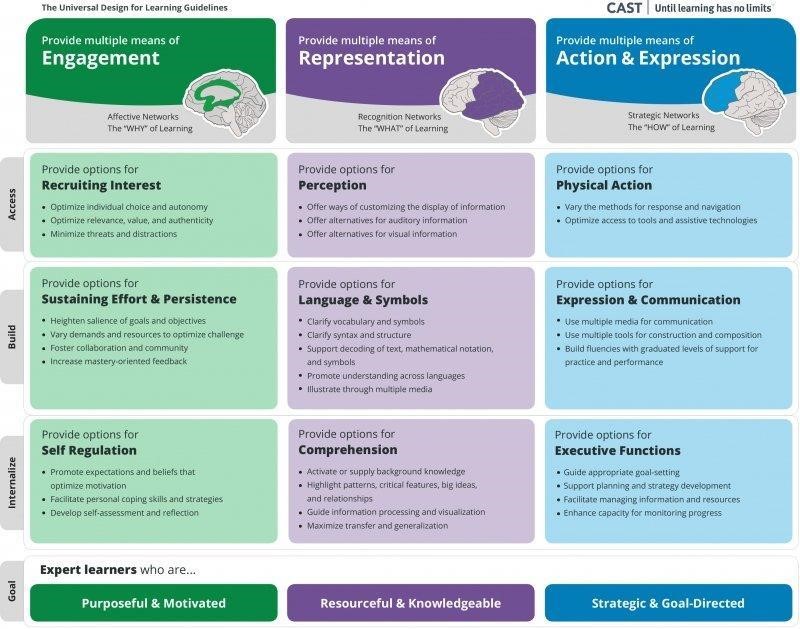
Figure 3: CAST (2018a). Universal design for learning guidelines version 2.2. Wakefield, MA