
1.4 Building a Positive Educational Community
4. Current and Future Directions
 Working for assuring
education to all, promoting participation, and fostering the inclusiveness of
life contexts align with the recommendation of the Agenda 2030 for Sustainable
Development.
Working for assuring
education to all, promoting participation, and fostering the inclusiveness of
life contexts align with the recommendation of the Agenda 2030 for Sustainable
Development.
Published in 2015 by the United Nations General Assembly it includes 17 global and interlinked goals (SDGs), to be a "model for achieving a better and more sustainable future for all". Goal 4 of the Education SDG promotes education for sustainable development (ESD).
SDG 4: Ensure inclusive and equitable quality education and promote lifelong learning opportunities for all Targets are:
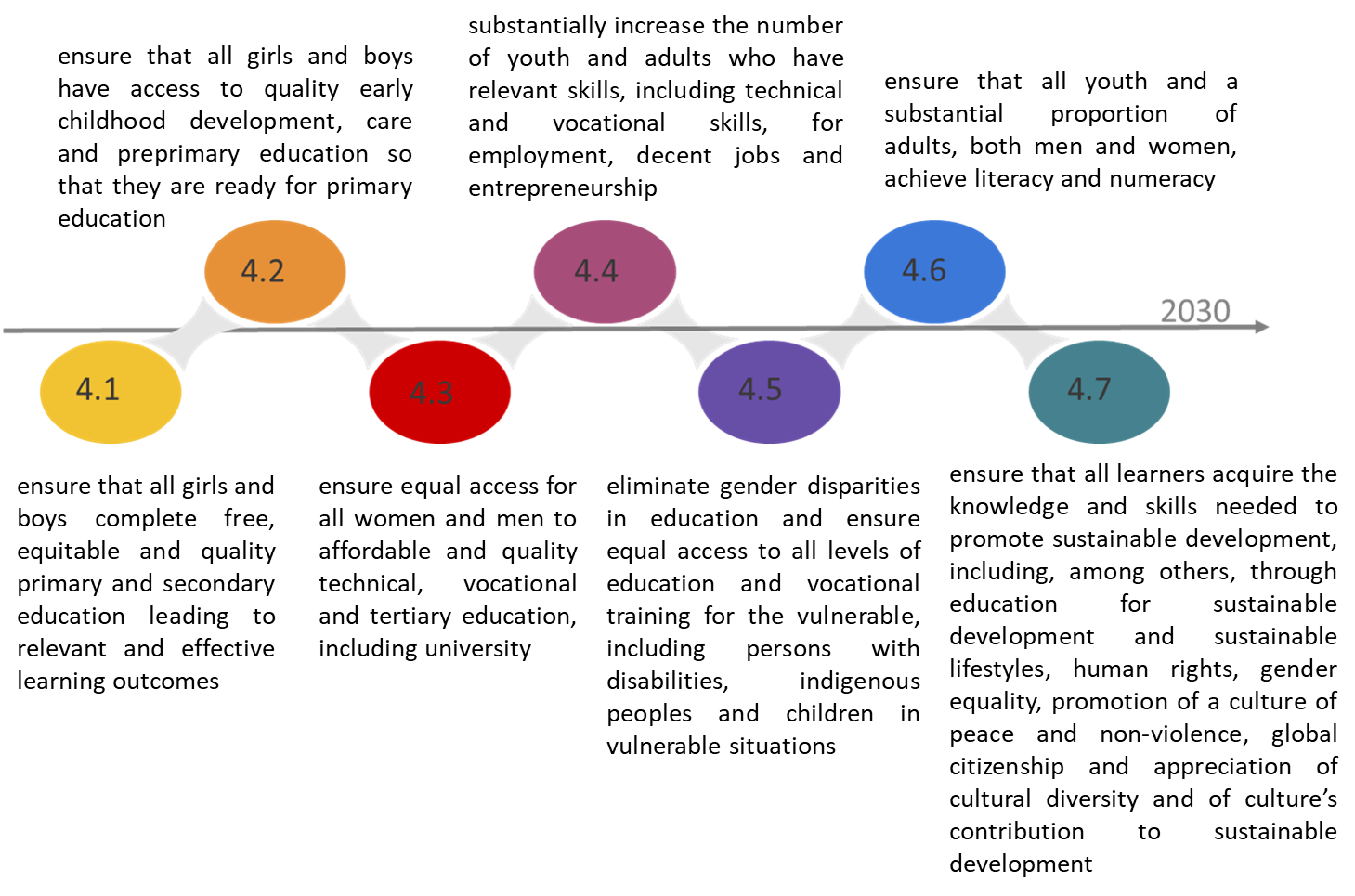
Figure 2: Sustainable development goals (SDGs) 2030, Colglazier, (2015)
Education plays, then a key role in addressing the development challenges promoted by the 2030 Agenda. This is particularly relevant for the most marginalized individuals when it comes to the right to quality basic education (Educate A Child October, EAC, 2016) .

Fostering social and emotional skills is also connected with equality for all. Equality in education means that personal or social circumstances (gender, ethnic origin, or family background) but also lack of opportunities for social and emotional skills development, should not obstacle the achievement of educational potential.
These skills, in fact, have the potential to compensate for the effects of socioeconomic disparities on academic performance (Steinmayr, Dinger & Spinath, 2012; Suárez-Álvarez, Fernández-Alonso & Muñiz, 2014; Tucker-Drob & Harden, 2012). By ensuring that all students, besides cognitive skills, develop socio-emotional skills, schools and education systems can be at the forefront of creating more inclusive communities and fair societies.

Implementing the concept of inclusion in schools suggests that schools can learn and engage in collaborative problem solving, develop the capacity within the organization to support and apply generic problem-solving strategies. Schools, under this lens, are dynamic and fluid organizations with a common goal of sustaining each other by bringing people together to share experiences and find common ground as a basis for action (Shaw, 2016). The idea of working together to achieve common goals, building a collective agency that has greater strength in claiming the right to participation of marginalized people (Burns et al. 2015) and in which there is a greater sense of belonging.