
1.1 Positive Youth Development
3. A Guiding Model: The Practice of Positive Youth Development
 There is a
general agreement that the model of PYD with the most extensive empirical
support is the Five Cs Model (Figure
1).
There is a
general agreement that the model of PYD with the most extensive empirical
support is the Five Cs Model (Figure
1).
Based on the Developmental System’s Theory (Lerner, 2004; Overton, 2013), this model identifies in the competence, confidence, connection, caring/compassion, and character, the five core founding elements of a positive development (Heck & Subramaniam, 2009; Lerner et al., 2013).
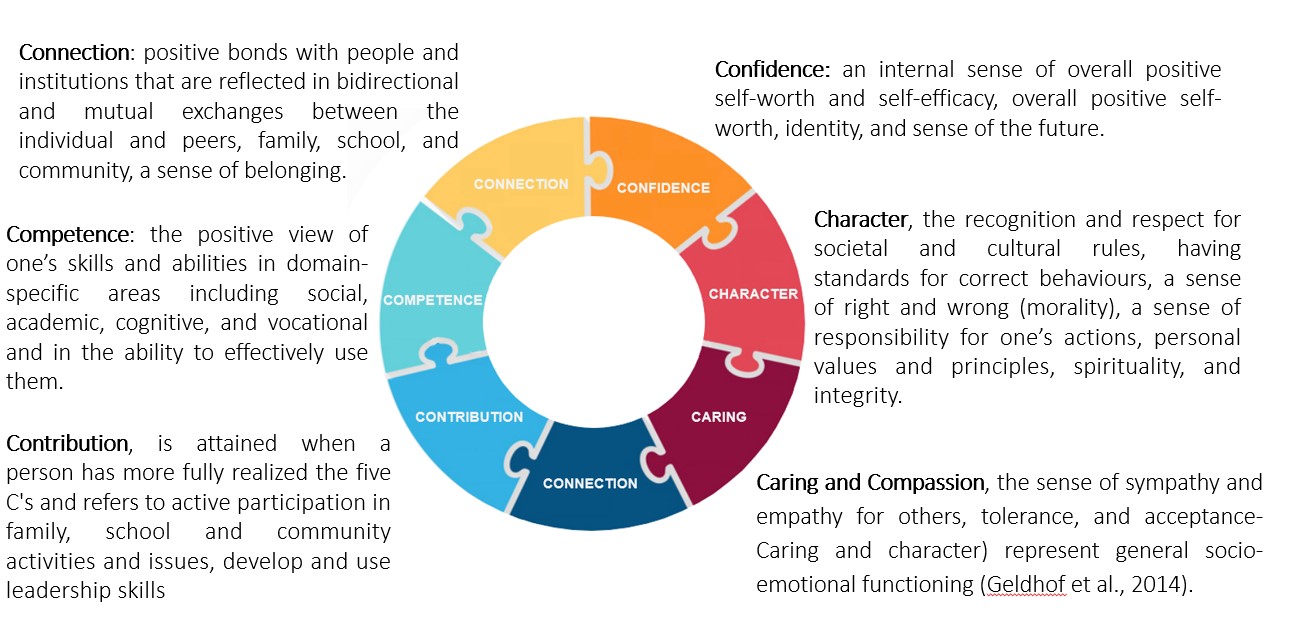
Figure 1. Components of a positive development (Learner, 2007)
Despite operational definitions of PYD’s key constructs vary (Lerner et al., 2009), they share a common focus on building young people’s positive personal competencies, social skills, and attitudes (i.e., asset development) through increased positive relationships, social supports, and opportunities that strengthen assets and help youth flourish within their environments.
According to the PYD perspective, when there is alignment between individual strengths and ecological assets that promote healthy development, the Five Cs positively evolve across the course of an individual’s development. Additionally, when these 5C are expressed in synergy, individuals are more likely to develop trajectories to contribute to the growth of family, community, and civil society.
