1.4 Building a Positive Educational Community
3. A Guiding Model
 Foundations to
family-school-parent connections supporting children's learning and development
can be found in Bronfenbrenner ecological systems theory (Bronfenbrenner,
1979) and later developments (Sheridan, Smith, Moorman, Beretvas & Park, 2019).
Foundations to
family-school-parent connections supporting children's learning and development
can be found in Bronfenbrenner ecological systems theory (Bronfenbrenner,
1979) and later developments (Sheridan, Smith, Moorman, Beretvas & Park, 2019).
Children's learning and development are influenced by events occurring within and across multiple systems and the interactions between them.
Microsystems such as family and classroom are most proximal to the child and have an immediate impact on development. The interactions, experience, and relationships between microsystems, such as communication between parents and teachers, represent the mesosystem. Influence on the child's development is also indirectly coming from the exosystem (e.g., events in the parents' workplace) and from the macrosystem (cultural norms and values) and from the effect of the chronosystem (interactions and influences change over time). Direct influences (the home and school microsystems) and relational influences (the home-school mesosystem) can be seen as the basis of family-school interventions (Sheridan et al., 2019).
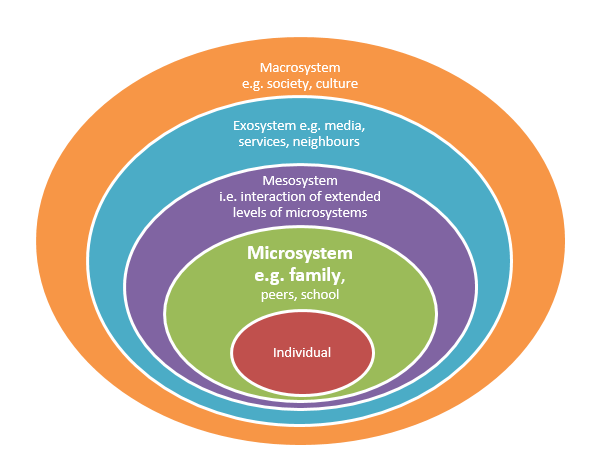
Figure 1. Bronfenbrenner ecological model (1979)