1.2 From Emotions and Feelings to Socio-emotional Skills
3. A Model of Emotions and Feelings
 One of the first and most prominent researchers is Paul Ekman
(2011) who has long
supported the view that emotions are discrete, measurable, and physiologically
distinct.
One of the first and most prominent researchers is Paul Ekman
(2011) who has long
supported the view that emotions are discrete, measurable, and physiologically
distinct.
For many years Ekman, in his research on facial expression, examined six emotions he theorized to be universally recognized: anger, disgust, fear, happiness, sadness and surprise (Shiota & Michelle, 2016). His latest research and recent cross-cultural studies have expanded universal emotions and provided evidence for other 22 emotions: amusement, awe, contentment, desire, embarrassment, pain, relief, and sympathy in both facial and vocal expressions, boredom, confusion, interest, pride, and shame facial expressions, as well as contempt, interest, relief, and triumph vocal expressions (Cordaro, Sun, Keltner, Kamble, Huddar, McNeil, 2018).
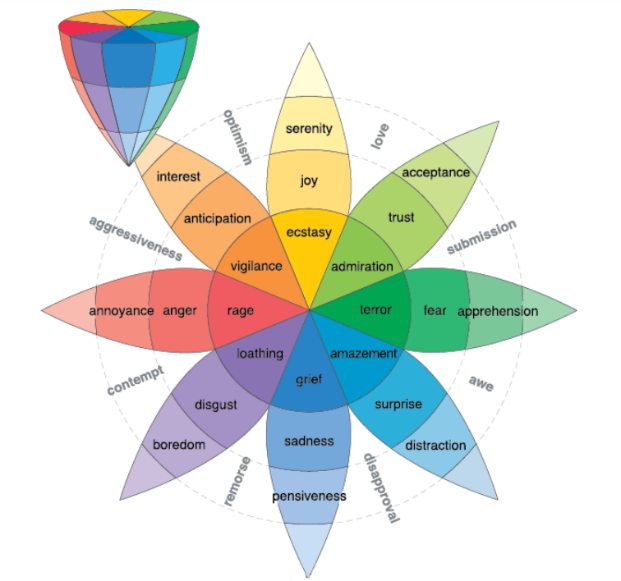
Figure 1. Wheel of emotion, Plutchik (2001)
Robert Plutchik, starting from Ekman's theory, developed the "wheel of emotions" (Figure 1), suggesting eight primary emotions grouped on a positive or negative basis: joy versus sadness; anger versus fear; trust versus disgust; and surprise versus anticipation (Plutchick, 2001). According to the author, basic emotions can change to form emotions, based on cultural conditioning or combined associations. Primary emotions could combine to form the entire spectrum of human emotional experience in a similar way to how primary colors combine. For example, anticipation and joy may combine to form Optimism, joy and trust may mix to form love, anger, and disgust to form contempt.